ARCHIVE OPEN FILE ROOM 04 · CHEYENNE MTN DTG · 241041Z JUL 26 UNCLASSIFIED · CIVILIAN ACCESS
G.I. JOE: ARMY
File 05 of 05 · Live-Action Snake Eyes is one chapter. Walk every G.I. Joe film, from the 1987 animated feature through Retaliation, on the movies hub. Open dossier index →
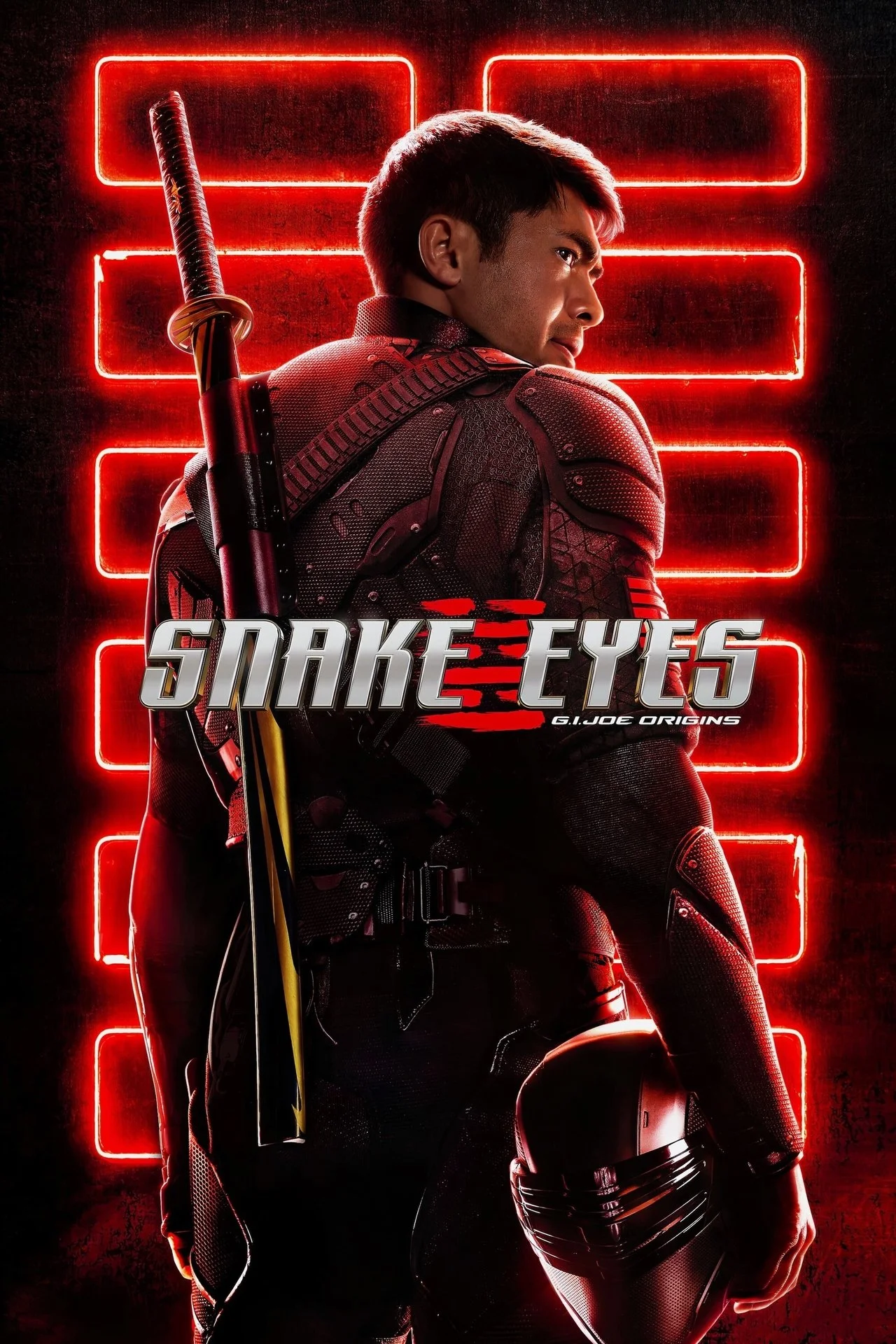
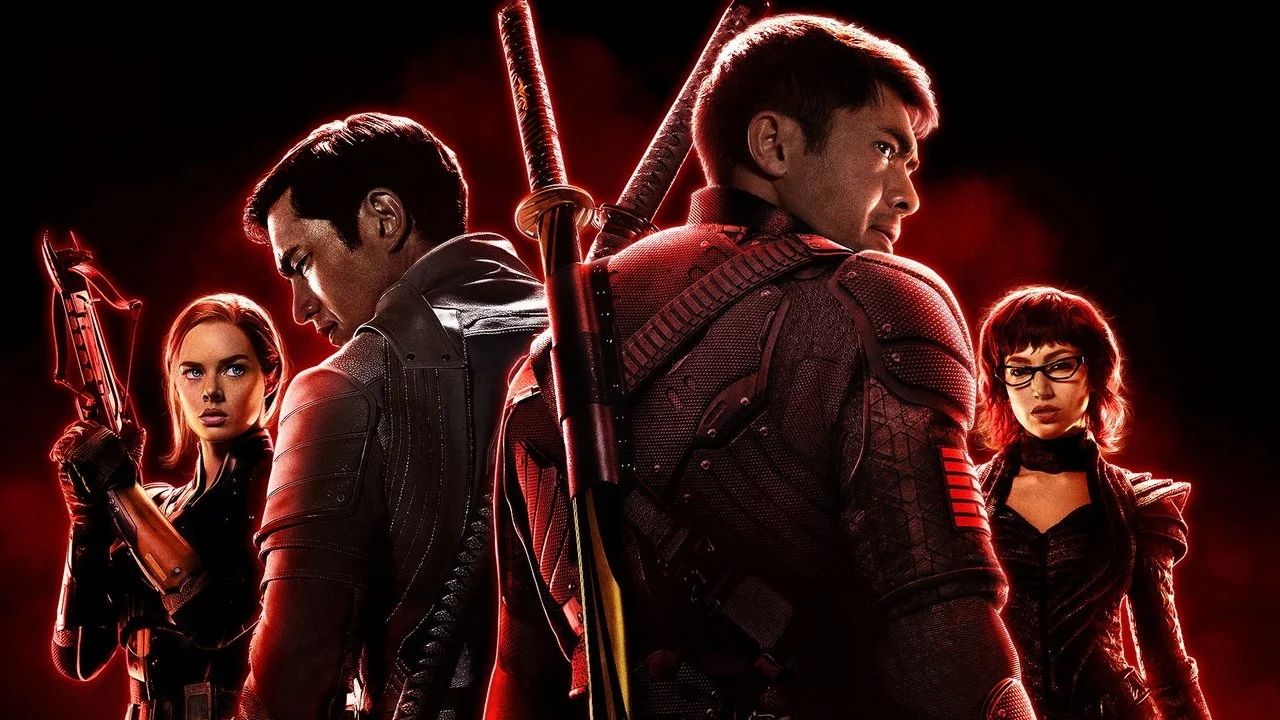
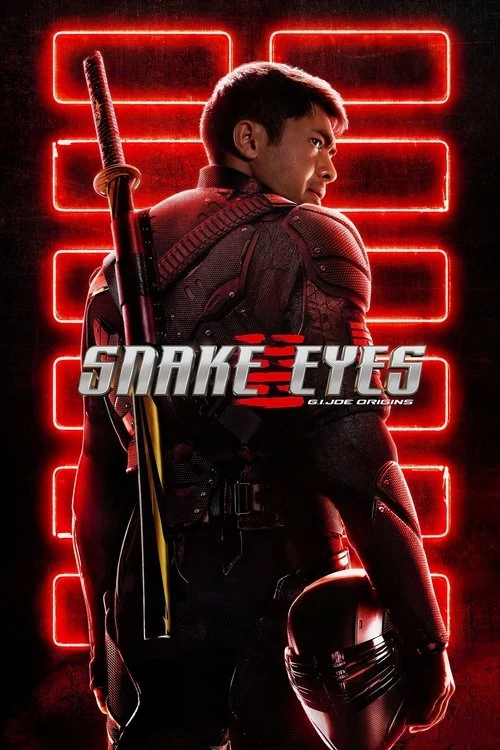
Snake Eyes: G.I. Joe Origins (2021) theatrical poster

FILE // GIJOE-2021-SNAKE CLASSIFICATION: DECLASSIFIED

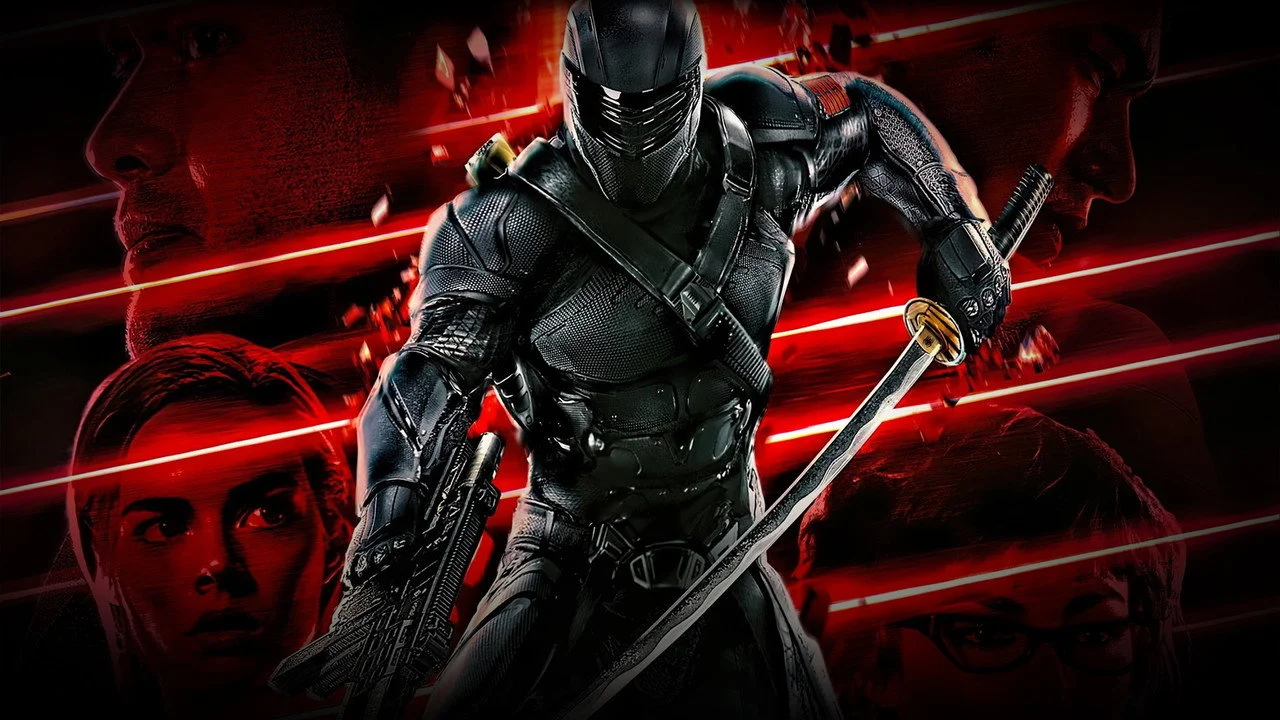
G.I. Joe Origins Snake Eyes

Rise above your past. Become your destiny.

Robert Schwentke’s Snake Eyes is the strangest chapter of the live-action G.I. Joe films: a standalone reboot that strips the silent, masked commando back to a vengeful, unmasked, fully speaking drifter, taken into an ancient Japanese ninja clan and pulled apart by a secret pact with Cobra. A grounded martial-arts swing that won points for its cast and setting, drew Larry Hama’s pushback for reinventing the icon, and flopped hard at a pandemic box office. This is the deepest record of it anywhere.

35%Critics
B-CinemaScore
2h 1mPG-13
$40.1MWorldwide
DirectorRobert Schwentke
ReleasedJULY 23 - 2021
Runtime2h 1m
RatingPG-13
WritersEvan Spiliotopoulos, Joe Shrapnel, Anna Waterhouse
StudiosParamount Pictures / MGM / Skydance / Hasbro / Entertainment One
SEC-01

The Verdict

critical assessment on file

Reviews landed mixed and leaned negative: a 35 percent Tomatometer against a warmer 74 percent audience score and a B-minus CinemaScore. Most critics treated it as a modest step up for a troubled franchise, carried by Henry Golding and Andrew Koji’s Storm Shadow, then undercut by choppy, shaky-cam action and a thin story.

35%RT Tomatometer
Critics - 147 reviews - avg 4.9/10
74%RT Audience
Popcornmeter audience score
43Metacritic
32 critics - mixed or average
5.4IMDb
Audience rating, out of 10
2.7Letterboxd
Member average, out of 5
$40.1MBox Office
Worldwide - a pandemic-era bomb
B-CinemaScore
Opening-night audience grade
Probably about as good a movie as you are going to get that has the words G.I. Joe in the title: a synthetic but exuberantly skillful big-studio hodgepodge of ninja films, wuxia films, Yakuza films and international revenge films.
Owen Gleiberman · Variety
The mayhem is frantic yet forgettable, and Golding does an awful lot of standing around and looking tense.
Glenn Kenny · The New York Times
★★★★★
Snake Eyes finally speaks, but with frustrating action scenes, a middling story and unearned sequel-baiting, there is not much here that is worth listening to, or watching.
Empire · Empire
A heavy step up from the previous two G.I. Joe movies, but that is a low bar. The cast is charismatic and the setting gorgeous, yet the shaky-cam action buries everything the fights were built to show.
Critics roundup · CNBC
★★★★★
Too polished to be a war crime, but also too bland to be a decent summer movie. It answers a question nobody wondered about.
Roger Moore · Movie Nation
A sleek, sometimes silly reboot that swaps the toy-line spectacle for a grounded ninja origin. Henry Golding has a tenacity that is fun to watch, even when the script tries too hard to make him cool.
Critics consensus · SYFY Wire
Henry Golding is so good he should be seriously considered for James Bond. He can telegraph lethal thoughts without saying a word.
Owen Gleiberman · Variety
Once again, a stellar cast could not save the G.I. Joe franchise from a script that keeps the audience at arms length.
Critics Consensus · Rotten Tomatoes

On a budget of at least 88 million dollars, Snake Eyes opened to 13.4 million over its first weekend in second place behind M. Night Shyamalan’s Old, fell 70 percent the following weekend, and finished with about 28.3 million domestically and 40.1 million worldwide, well short of a break-even point estimated near 160 to 175 million. A Delta-variant summer, lukewarm reviews and a cautious theatrical audience made it, by any measure, a box office bomb.

SEC-02

The Story

mission brief

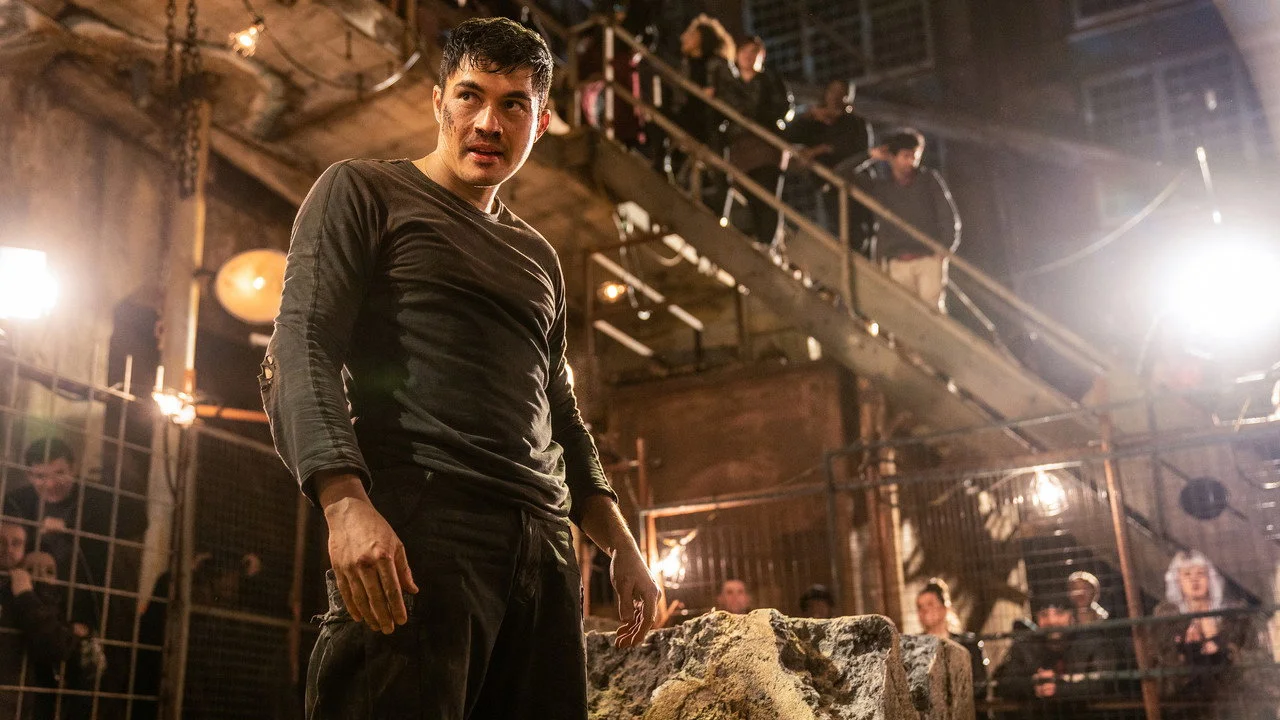
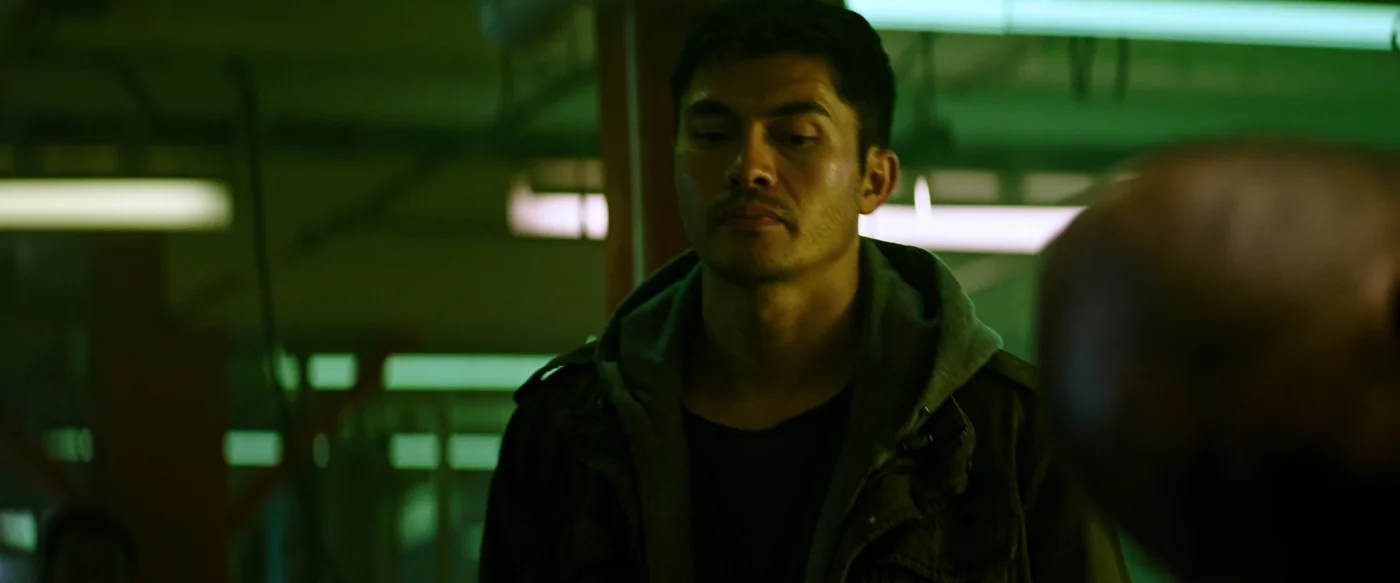
As a boy, Snake Eyes watches his father murdered by an assassin who forces a roll of loaded dice and kills him on a pair of ones. Twenty years later he is a drifter and cage fighter, hunting the killer, when the Yakuza boss Kenta recruits him with a promise to deliver his revenge. Ordered to execute an intruder, Snake Eyes spares him instead.

The man is Tommy Arashikage, heir to an ancient ninja clan, who repays the mercy by bringing Snake Eyes home to the clan dojo in Tokyo to train among the Arashikage. What Tommy does not know is that Snake Eyes is still working for Kenta, sent to steal the clan’s sacred Jewel of the Sun. As the secret unravels, it tests every loyalty Snake Eyes has and turns his blood brother into his greatest enemy, the birth of the most famous rivalry in G.I. Joe.

“Abandon ego. Practice selflessness. Strike with honor.” The Arashikage creed
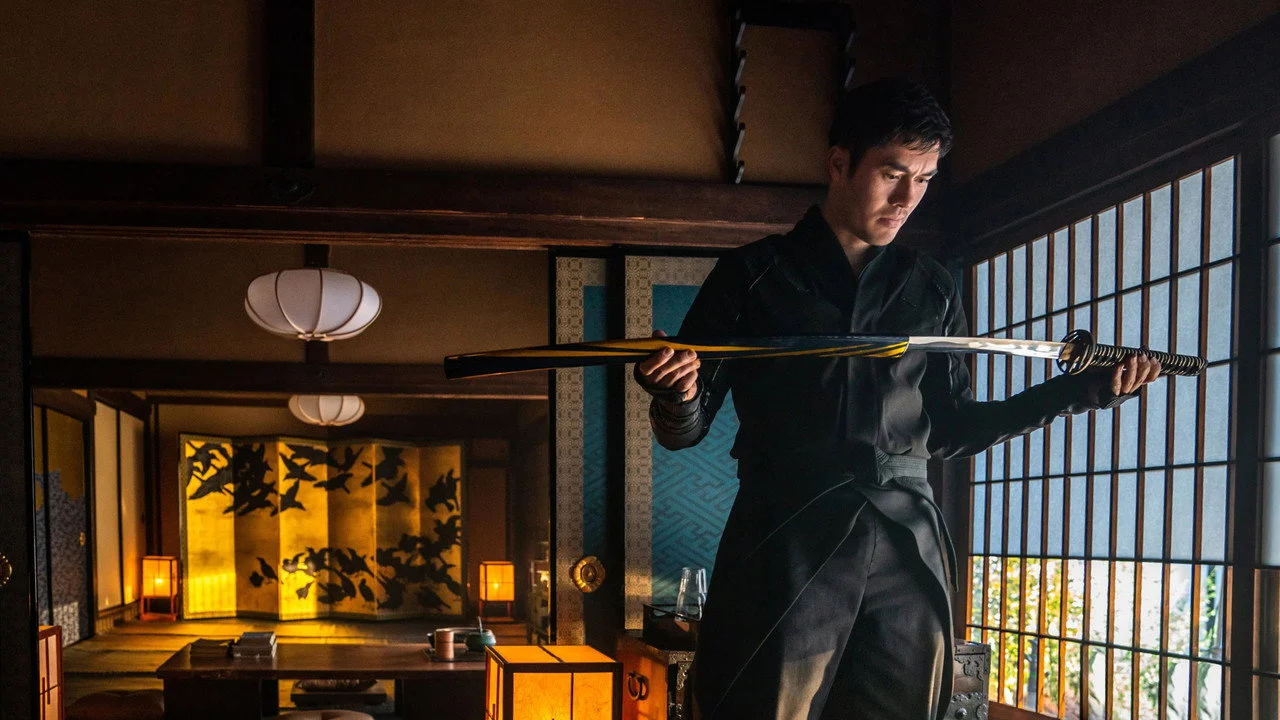
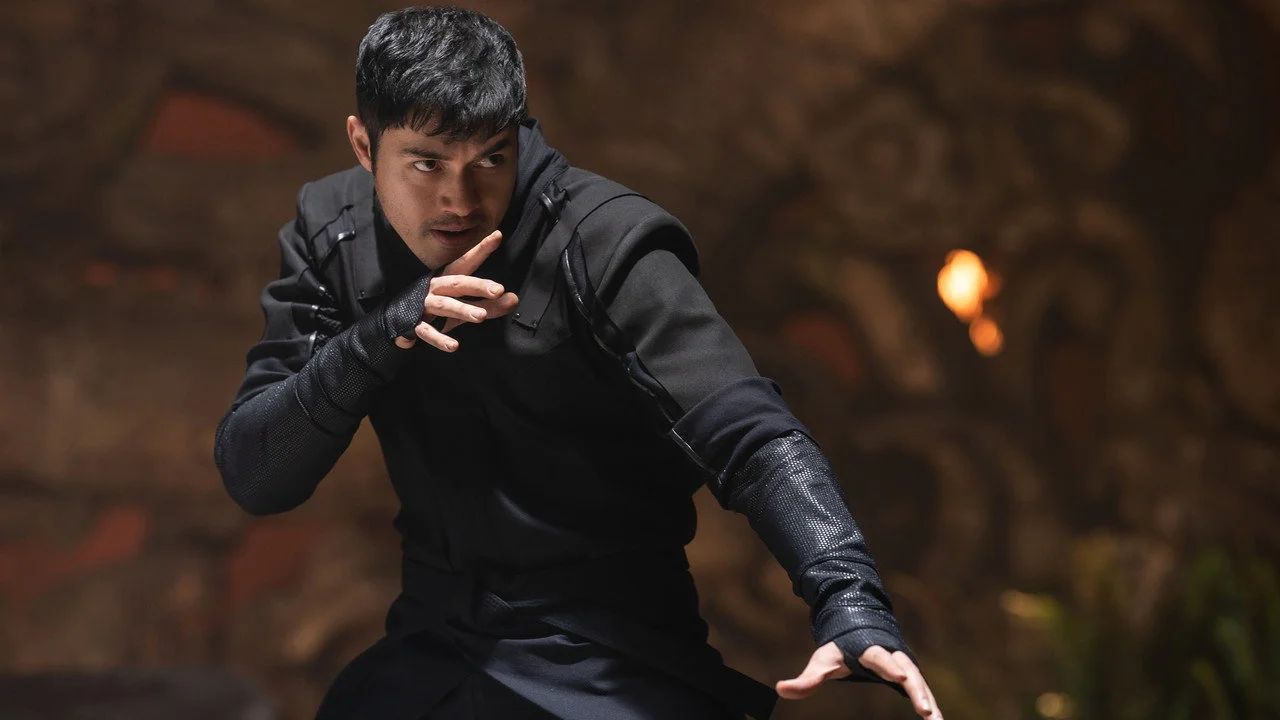
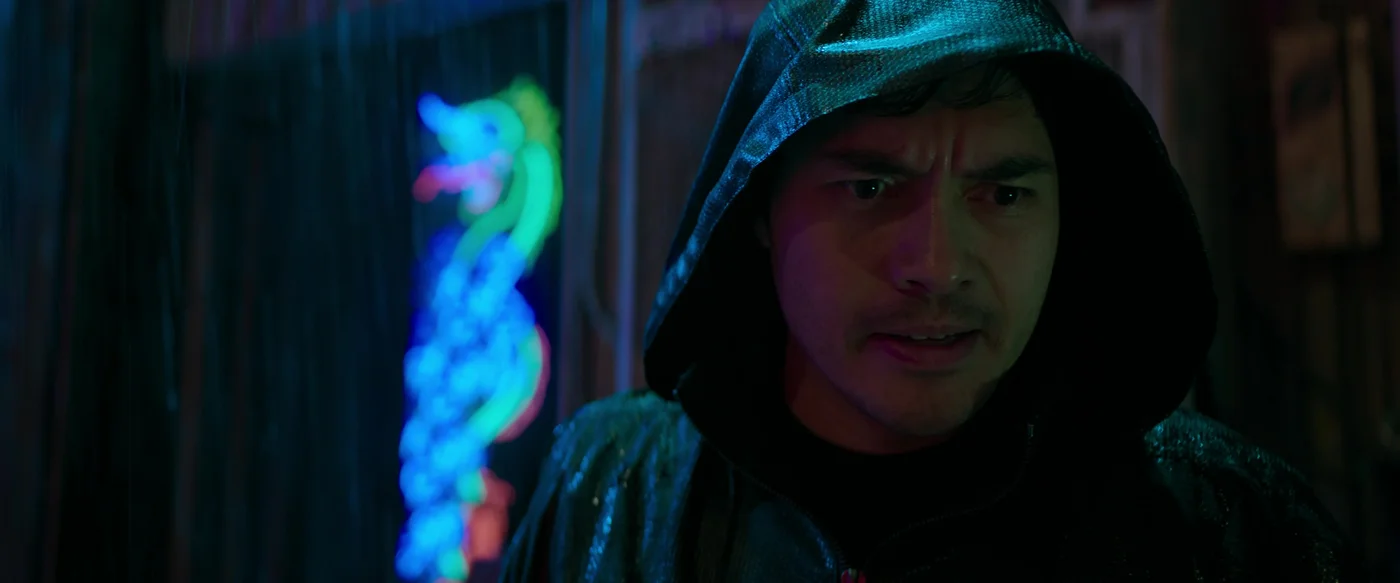
Snake Eyes as a drifter and cage fighter, hunting his father’s killer.
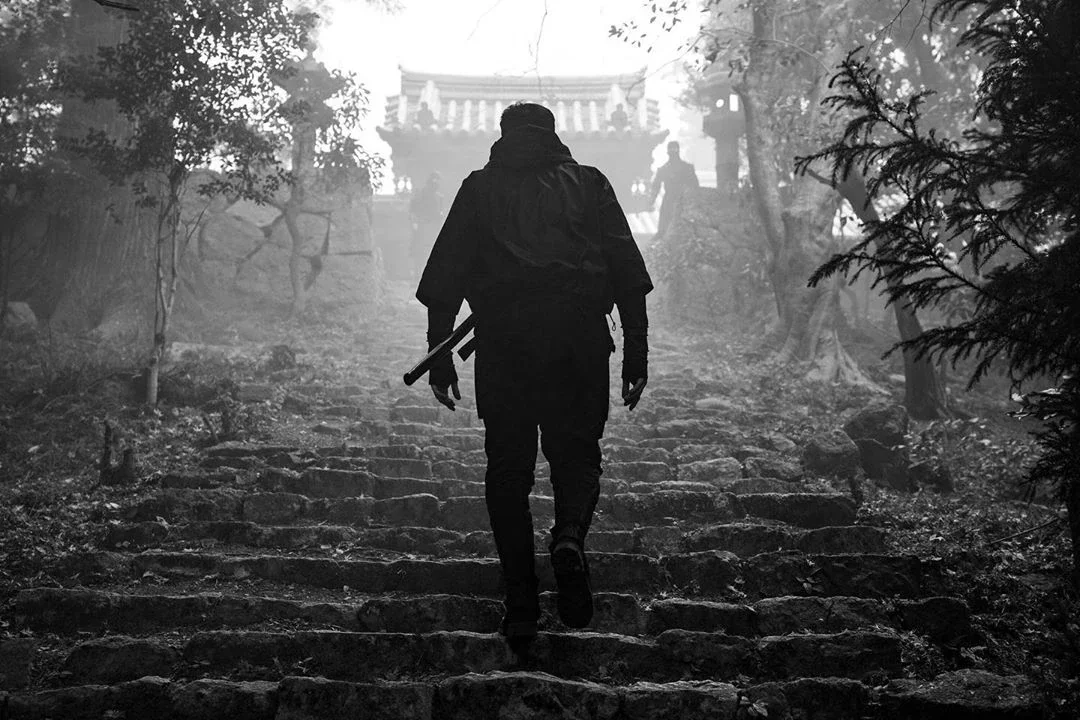
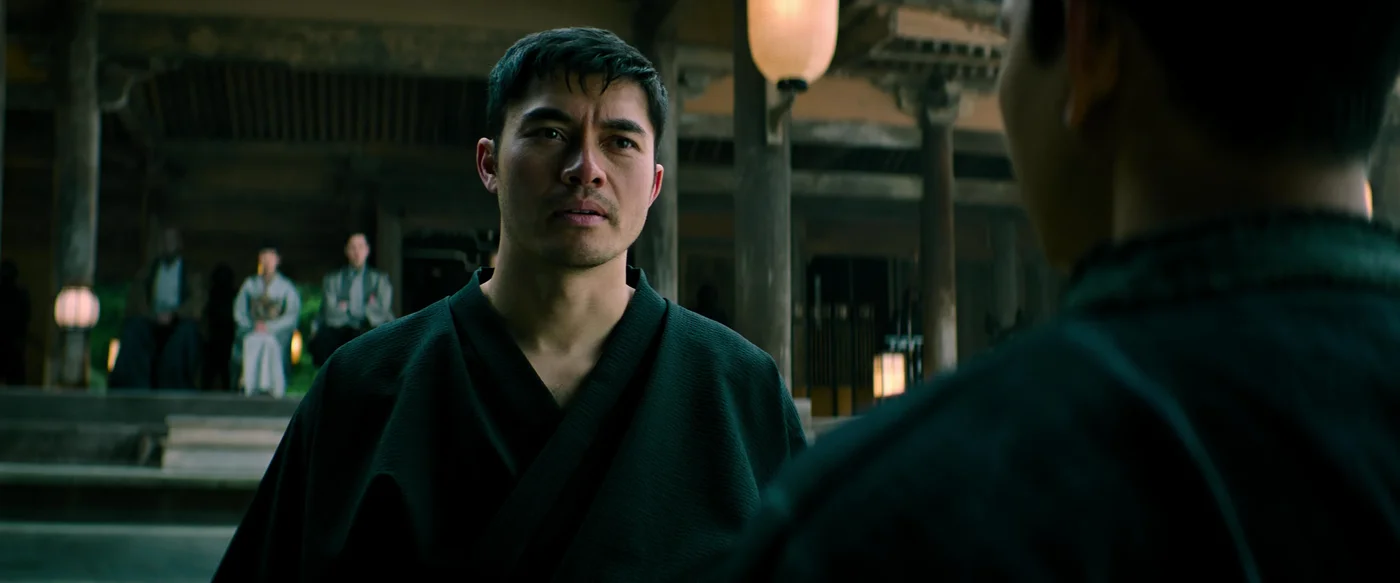
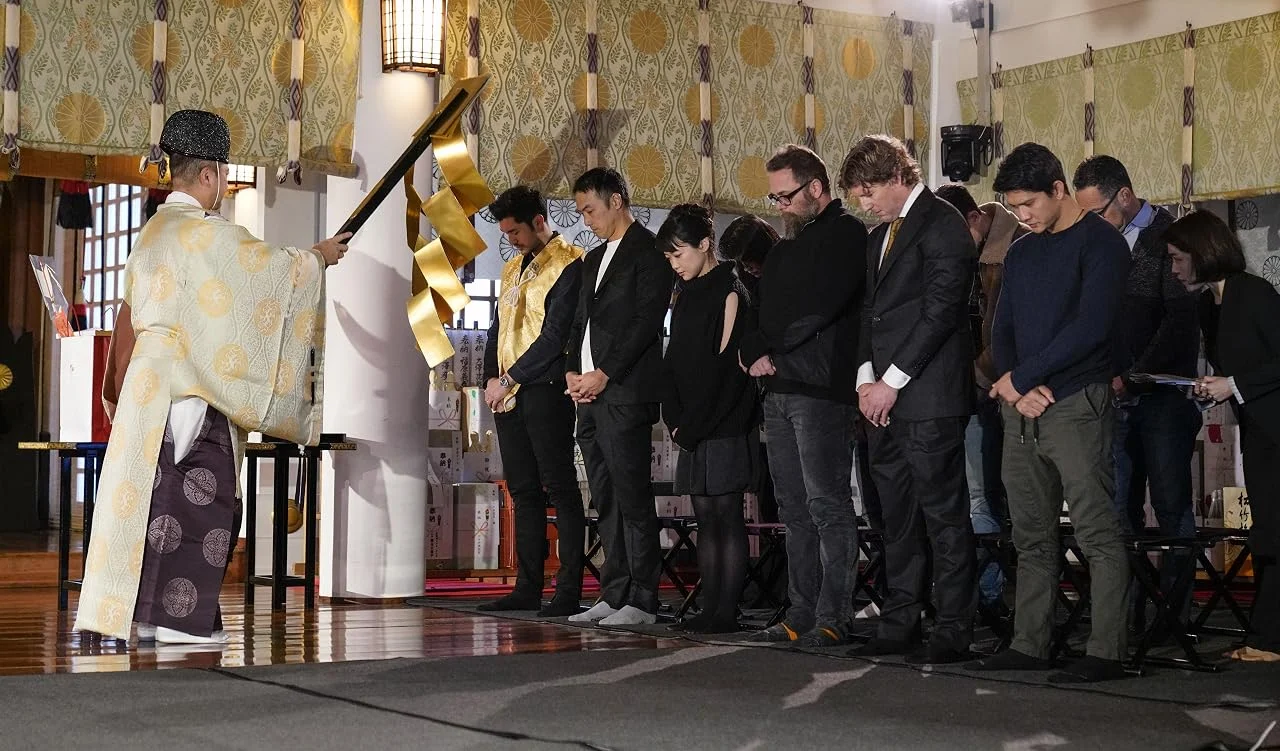
The Arashikage trials, staged among real Japanese temple locations.
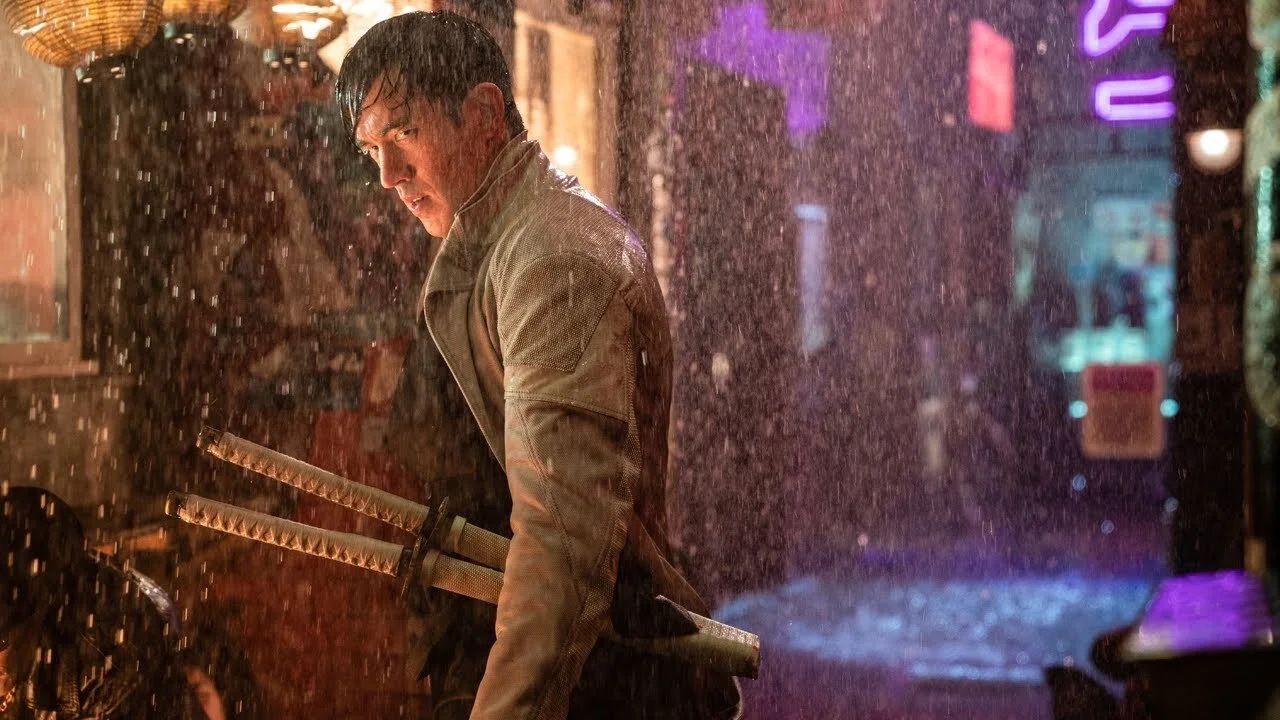
Tommy, stripped of his birthright, on the road to Storm Shadow.
SEC-03

The Roster

personnel dossier · tap a card

Tap any file card for the actor, the backstory, and our read on how faithful the design and role are to the comics, cartoons and classic Hasbro file cards. This reboot invents freely, so the fidelity gauges run lower than the earlier films. Filter by G.I. Joe / Arashikage or Cobra.

Also on file

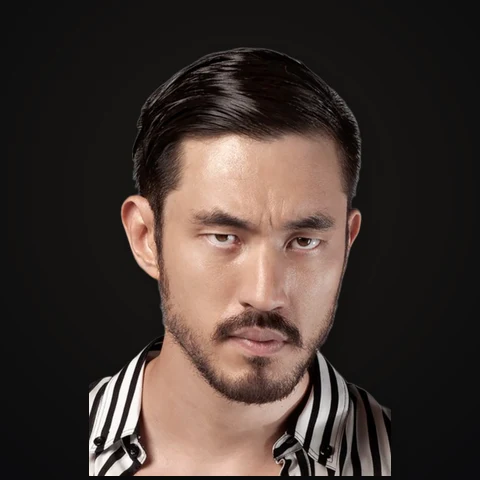
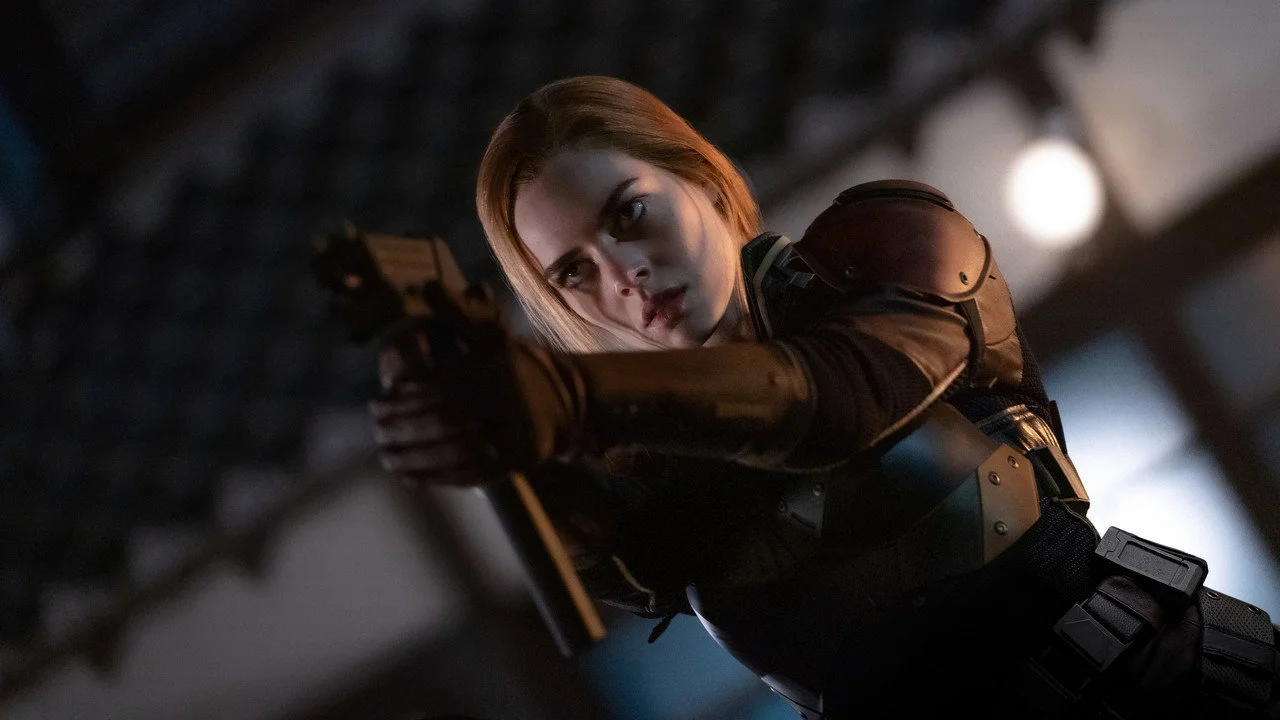
Sen Eri Ishida The Arashikage matriarch who leads the clan and fights with a bladed war fan, an easily missed weapon detail; an invented head of the ninja society.
Snake Eyes’ father Steven Allerick A G.I. Joe under General Joe Colton, murdered by the rigged-dice assassin. His death is the film’s origin wound and its bridge to the wider G.I. Joe team.
Yakuza with Eye Patch Kenji Tanigaki The film’s action director takes a small on-screen role as a Yakuza henchman, a cameo from the man who staged the fights.
SEC-04

Moments

the film, beat by beat

The beats the film is built on, walked in order. Click any still to enlarge; slots are built to take scene clips as they clear. Everything past the setup is spoiler-flagged in classified red.

A pair of ones

As a boy, Snake Eyes watches an assassin murder his father by forcing a roll of loaded dice, killing him on a pair of ones. The charred, rigged dice become the literal seed of a twenty-year revenge, and the name he will carry.

The roll that sets a whole life in motion.

The mercy that changes everything

Recruited by the Yakuza boss Kenta with a promise of vengeance, Snake Eyes is ordered to execute an intruder. He looks into the man’s eyes, sees honor, and spares him instead. That single choice pulls him into the Arashikage and the story’s tragic core.

One spared life, and the war that follows.

Brought home to the Arashikage

The man he spared is Tommy Arashikage, heir to an ancient ninja clan. In gratitude, Tommy brings Snake Eyes back to the clan’s white-walled castle in Tokyo to train among the Arashikage, offering the drifter a home and a brotherhood he never had.

A drifter given a family, and a name.

The three trials

To be accepted, Snake Eyes must survive three challenges: the Hard Master’s bowl of water, which teaches that strength is taken by humility; the Blind Master’s vision, which forces him to relive his father’s murder; and three ancient anacondas that sense an impure heart and nearly kill him.

The clan tests the man, and the man is not clean.

The secret pact unravels

What Tommy does not know is that Snake Eyes is still working for Kenta, sent to steal the clan’s most sacred charge: the Jewel of the Sun, a relic said to hold the power to incinerate anything. As the theft plays out, every loyalty Snake Eyes has is put on trial.

A brother inside the gate, working for the enemy.

The jewel and the blood lock

The Jewel of the Sun is bound by a blood lock, keyed to the Arashikage line. Snake Eyes bypasses it using Tommy’s own blood, taken from their brotherhood oath, a betrayal that Tommy will never forgive and that turns the jewel’s power loose.

The oath that bound them is the key that breaks them.

Tommy becomes Storm Shadow

Stripped of his birthright for using the forbidden jewel, Tommy blames Snake Eyes and forsakes the clan. The Baroness draws him into Cobra, where he takes the name Storm Shadow and swears to kill the man who was once his brother. The most famous rivalry in G.I. Joe is born.

A blood brother, remade into an archenemy.

The double recruitment

In the closing scenes Akiko gives Snake Eyes his black outfit, and Scarlett reveals that his father was a G.I. Joe under General Joe Colton, recruiting him to the team. Snake Eyes goes to the Joes, Tommy goes to Cobra, and the board is set for the brand.

Two men, two sides, one lifelong war.

SEC-05

The Road to Snake Eyes

development timeline

Three years from a soft-reboot impulse to release, including a shoot split between Vancouver and Japan, a wrap days before the pandemic, and a release date shoved around the calendar for over a year. Scroll the timeline.

May 2018 With the live-action franchise stalled since Retaliation, Paramount announces a Snake Eyes solo film as an origin story for the breakout character.
Dec 2018 Producer Lorenzo di Bonaventura confirms Ray Park will not return. Robert Schwentke, of the Divergent and RED films, signs on to direct a clean reboot.
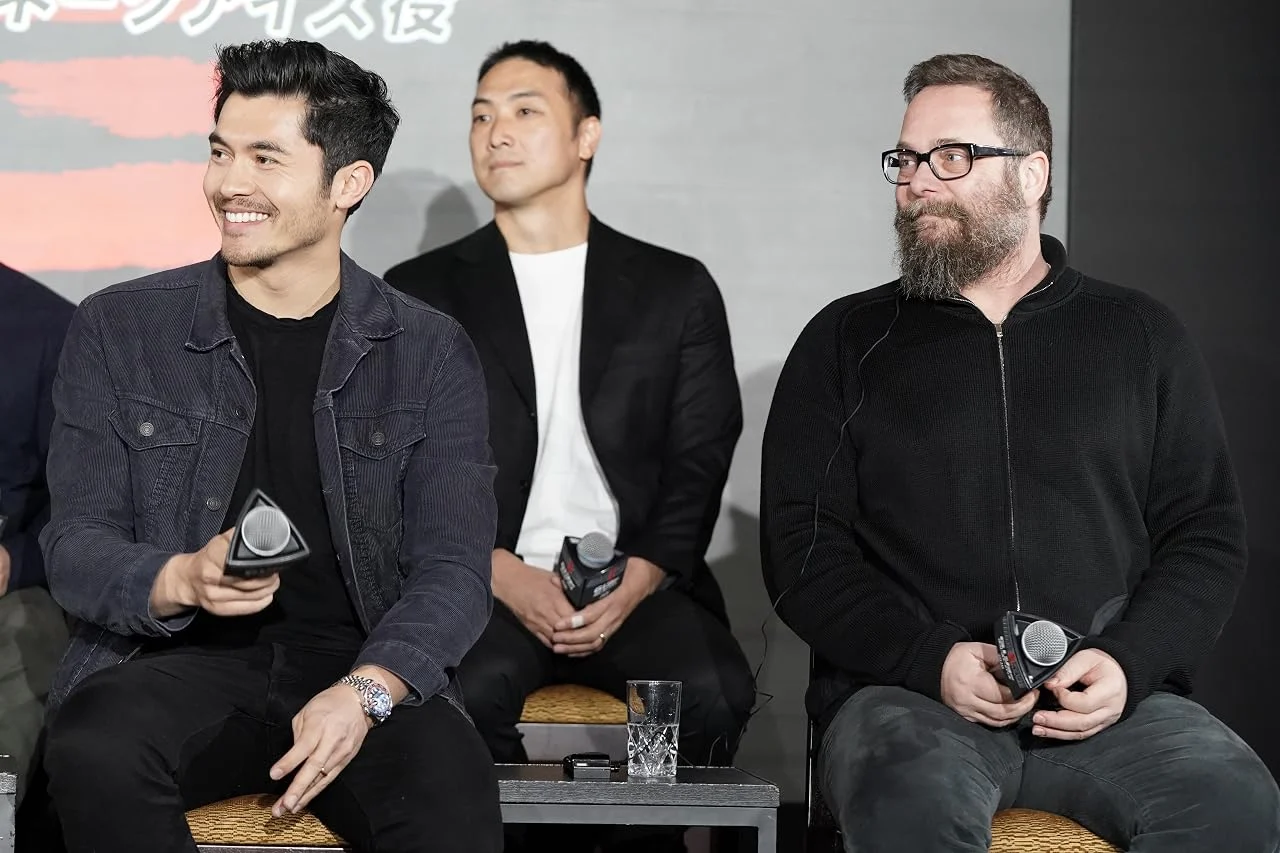
Early 2019 Henry Golding is cast as Snake Eyes, with Andrew Koji as Storm Shadow, Ursula Corbero as the Baroness and Samara Weaving as Scarlett. John Wick collaborator Kenji Tanigaki runs the action.
Oct 2019 Principal photography begins in Vancouver, then moves to Japan in January 2020 for roughly seven weeks at Kishiwada Castle and the Engyoji temple complex near Himeji.
Feb 2020 Filming wraps at the end of February, days before the pandemic shuts productions down worldwide.
2020 COVID-19 pushes the release again and again: March 2020, autumn, off the schedule entirely in July, then re-set for October 2021.
Mar 2021 A round of reshoots is completed ahead of release, stretching the production across nearly eighteen months.
Jul 23 2021 Snake Eyes opens in second place behind M. Night Shyamalan’s Old, falls 70 percent the next weekend, and ends its run a box office bomb.

Conceived as a clean reboot with no ties to the Sommers and Chu films, Snake Eyes was a chance to restart the brand on a smaller, more grounded scale. The pandemic had other plans: filming wrapped in February 2020 just before productions shut down worldwide, reshoots followed in March 2021, and the release bounced at least four times before landing on July 23, 2021.

SEC-06

Craft & Action

real fights, real locations
18 moFrom the start of shooting to release, stretched by a pandemic no production could control
2Countries: Vancouver interiors and exteriors, then roughly seven weeks in Japan
3Arashikage trials Snake Eyes must survive: the bowl, the vision and the anacondas
40+Tracks on Martin Todsharow’s score album, released the day the film opened

The John Wick pedigree

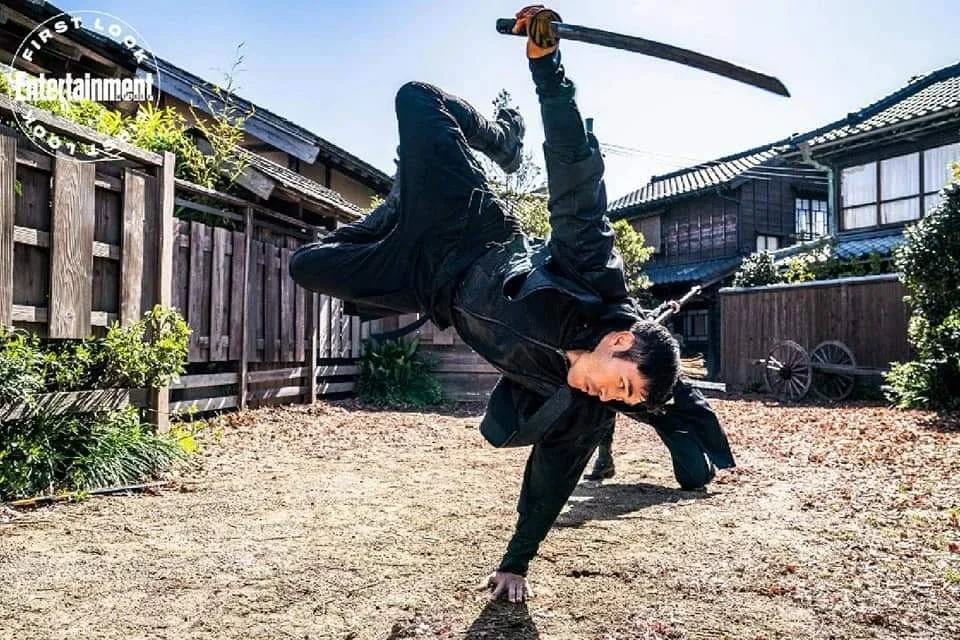
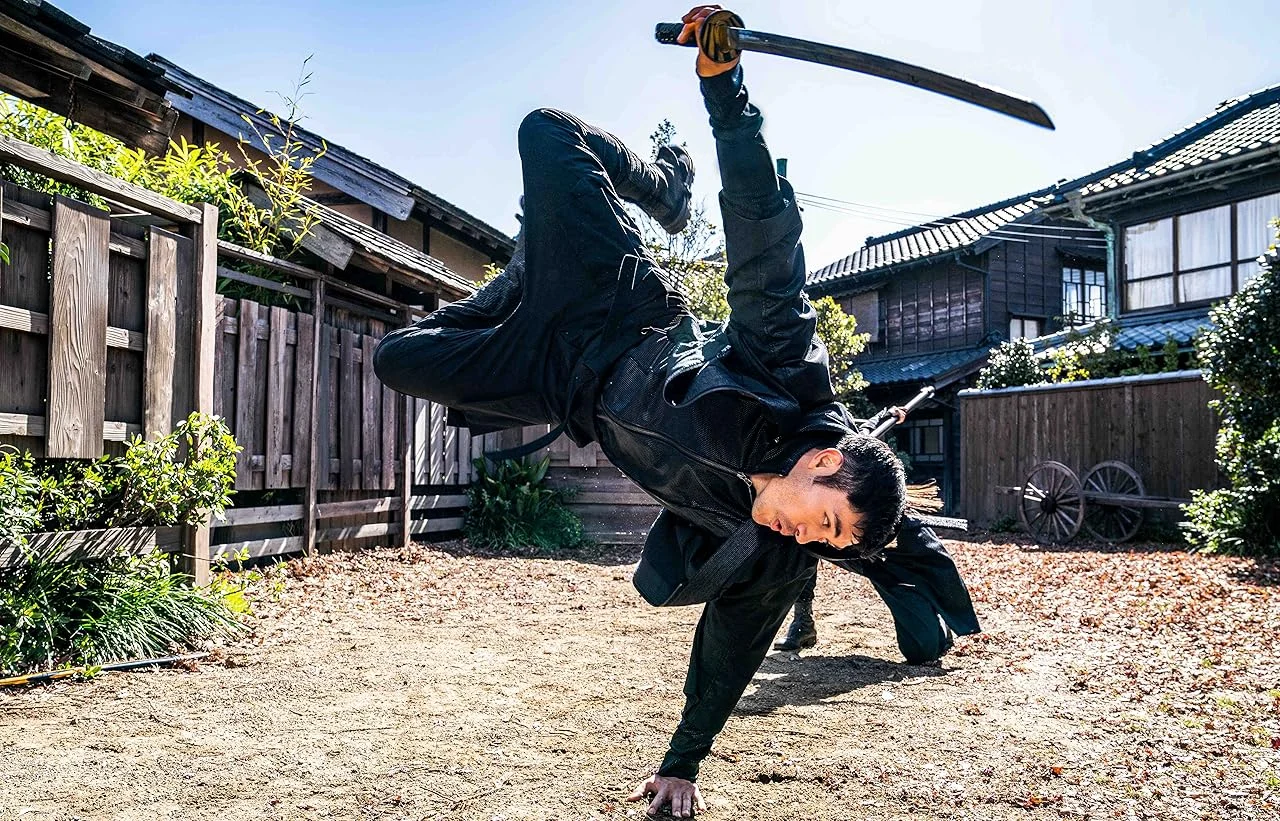
To ground the action in real martial arts, the production hired Japanese action director Kenji Tanigaki, of the Rurouni Kenshin films, on the recommendation of John Wick’s Chad Stahelski, who later pushed for Tanigaki to run second unit as well. With Iko Uwais of The Raid in the cast, the fight floor was stacked with genuine talent.

A grounded ninja origin

The ambition was a grounded ninja-and-yakuza origin rather than the broad science-fiction spectacle of the earlier films. Tanigaki coaches actors by filming them on a phone and replaying it between takes, chasing a physicality the previous G.I. Joe films never reached for.

The shaky-cam problem

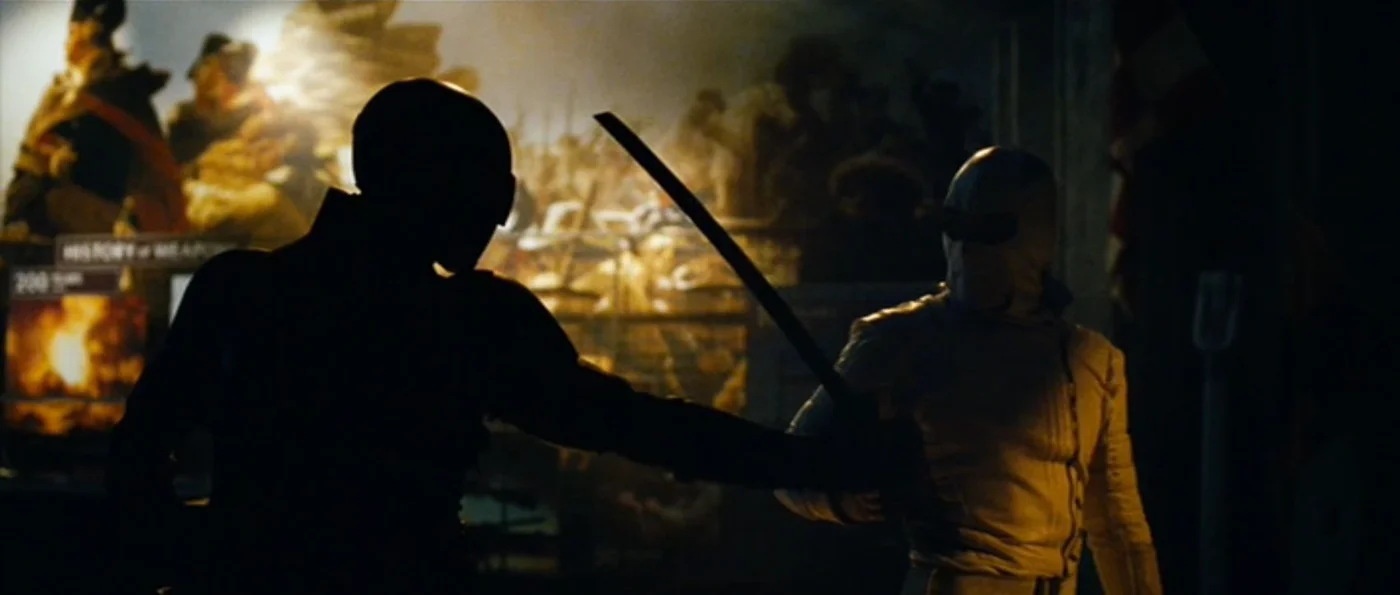
Ironically, the most common critical complaint was that frantic, close-up, over-edited camerawork buried the very choreography the film had assembled such talent to stage. Reviewers who praised the cast and setting singled out the editing of the fights as the film’s self-inflicted wound.

Real Japanese locations

Much of the film’s texture comes from rare access to real places: Shibuya Crossing and the temples of Senso-ji and Zojo-ji in the Tokyo montage, Kishiwada Castle standing in for the Arashikage estate, and the thousand-year-old Engyoji complex near Himeji, which also doubled for feudal Japan in The Last Samurai.

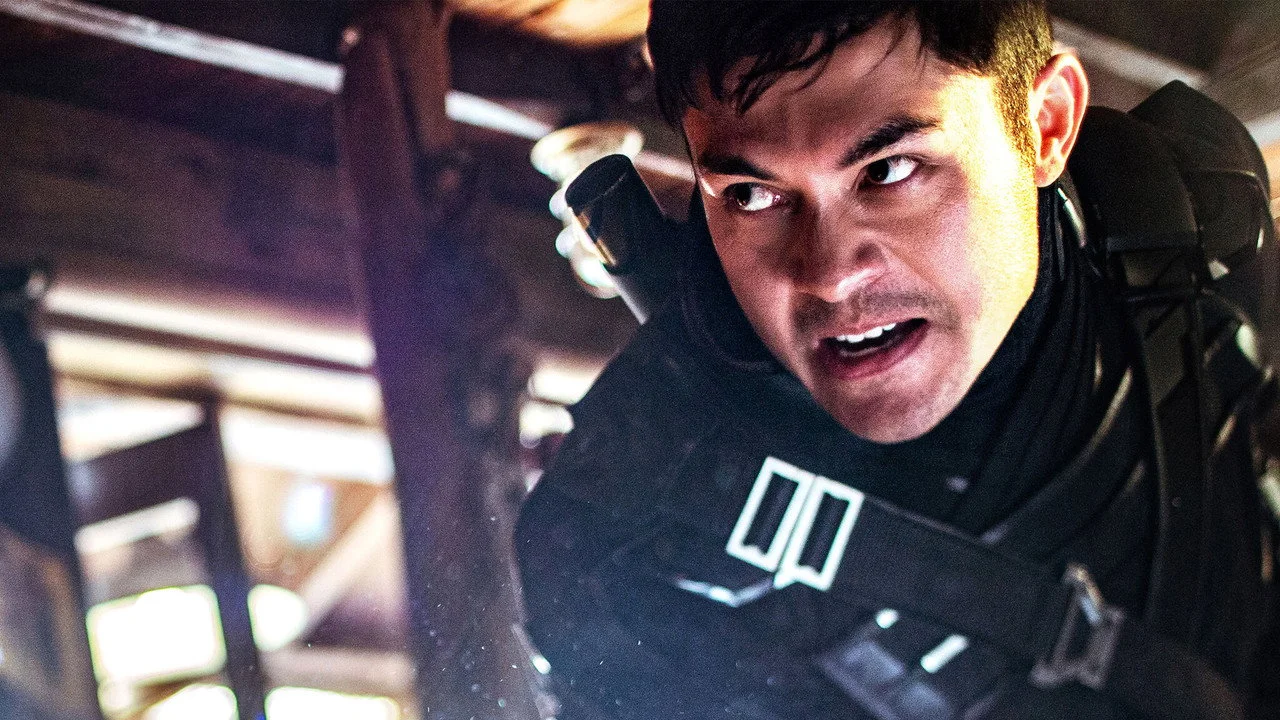
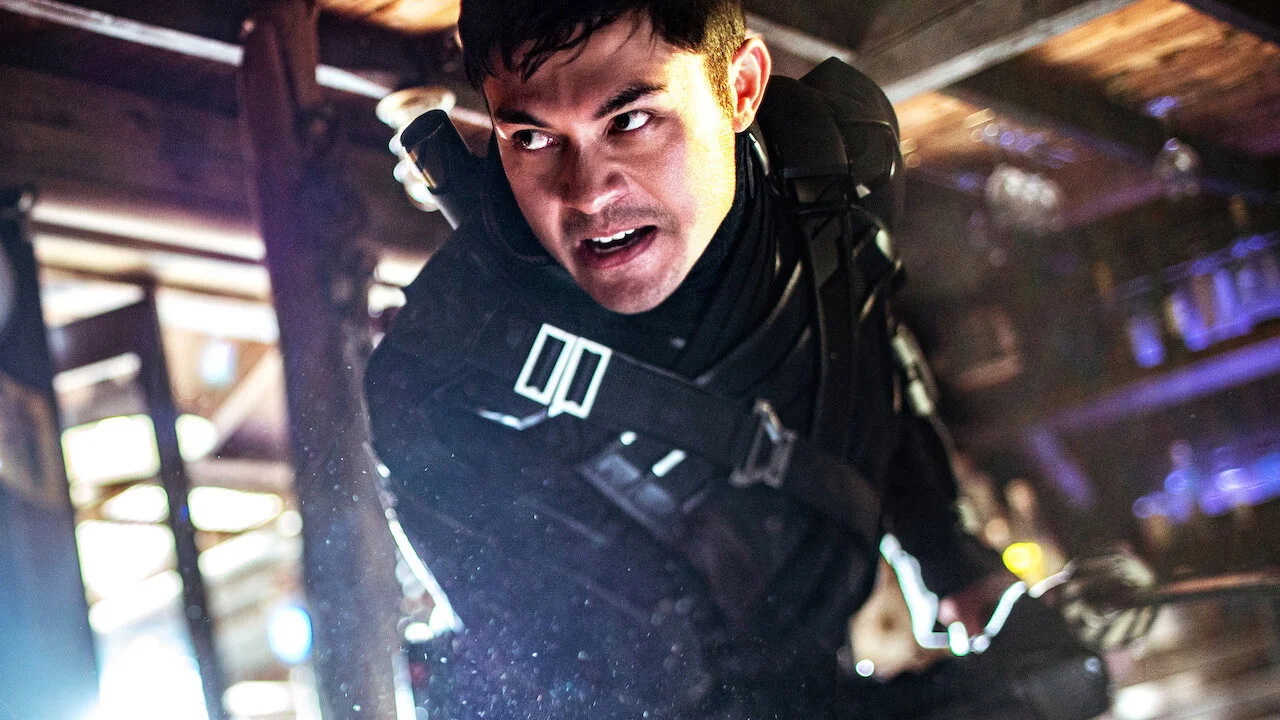
Grounded ninja action staged by John Wick collaborator Kenji Tanigaki, with real martial-arts talent on the floor.
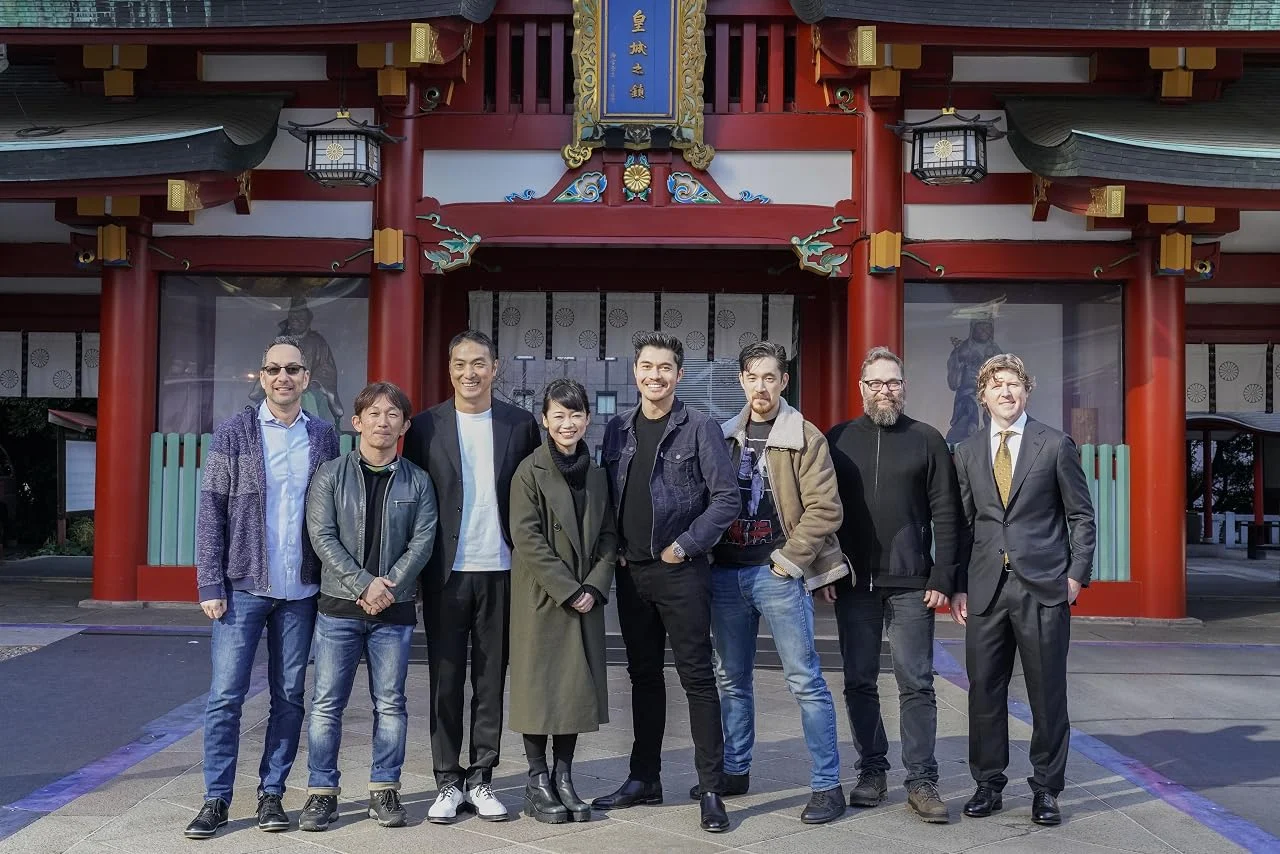
Rare access to real Japanese locations, including the thousand-year-old Engyoji temple near Himeji.

Action directed by Kenji Tanigaki, of the Rurouni Kenshin films, hired on the recommendation of John Wick’s Chad Stahelski, with Iko Uwais of The Raid among the cast. The tragedy of the film’s reception is that the most common complaint, frantic and over-edited camerawork, buried the very choreography this talent was assembled to stage.

SEC-07

The Score

Martin Todsharow

Composer Martin Todsharow scored the film, with Paramount Music releasing an unusually generous album on the day of release: more than forty tracks running past eighty minutes, opening with Behind the Mask, Unknown Visitor and Dices Are Fallen, with a complete-score edition following for collectors. The music leans on taiko percussion and Japanese textures to match the setting, working hardest in the dojo and temple sequences where the film is at its most confident.

Score highlights

  • Behind the MaskMartin Todsharow
  • Unknown VisitorMartin Todsharow
  • Dices Are FallenMartin Todsharow
  • ImpetusMartin Todsharow
  • Betrayer BaronessMartin Todsharow
  • SalvationMartin Todsharow

Around the score

  • Taiko and Japanese textures - Martin TodsharowThe score leans on taiko percussion and Japanese instrumentation to match the setting, working hardest in the dojo and temple sequences.
  • A generous release - Paramount MusicThe album arrived on the day of release, more than forty tracks past eighty minutes, with a complete-score edition following for collectors.

“Impetus” from the original score by Martin Todsharow, Snake Eyes: G.I. Joe Origins (Paramount Music, 2021).

SEC-08

Official Trailer

Paramount Pictures

Official trailer via Paramount Movies on YouTube. Embedded with youtube-nocookie for viewer privacy.

SEC-09

Campaign & Whiplash

a pandemic-scrambled rollout

Golding unboxes himself

Hasbro spoiled the costume before any trailer. At Pulse Fan Fest in April 2021 the G.I. Joe Classified movie figures debuted, and Henry Golding unboxed his own action figure live on camera, seeing his character’s final design for the first time by looking at a toy of himself.

Snake Eyes has something to say

The marketing leaned into the most divisive change, that this Snake Eyes speaks, with a tagline built around the silent icon finally having something to say. It was a deliberate flag planted in the middle of the fan debate, not an attempt to duck it.

A release date that kept moving

Few films were shoved around more by COVID-19. Snake Eyes was dated for March 2020, bounced through the autumn, pulled from the schedule entirely in July 2020 as theaters closed, then re-set for October 2021 before finally being moved up to July 23, 2021.

A window cut short

The film opened under Paramount’s pandemic policy of a 45-day theatrical window. After the soft start the studio cut even that short, sending Snake Eyes to premium digital on August 17, less than four weeks after release, with Paramount Plus and 4K following that autumn.

SEC-10

After the Credits

status: no stinger
1

No stinger

Snake Eyes: G.I. Joe Origins has no post-credits or mid-credits scene. The sequel setup is delivered inside the film itself, in the closing double-recruitment that sends Snake Eyes to the Joes and Tommy to Cobra, then the credits roll clean.

2

The sequel that vanished

A direct sequel had been announced before release, but the film’s failure shelved it, and the threads it planted, Storm Shadow’s vow and the Baroness’s Cobra, went unresolved. Plans for a G.I. Joe cinematic universe built on the reboot were quietly dropped.

3

The Morning Light short

The closest thing to a hidden scene lives on home video: Morning Light, A Weapon with Stories to Tell, a short film built around Snake Eyes’ sword that adds canon lore existing nowhere else, alongside deleted scenes and three making-of featurettes.

SEC-11

Intel & Deep Cuts

tap a card to declassify

Field notes

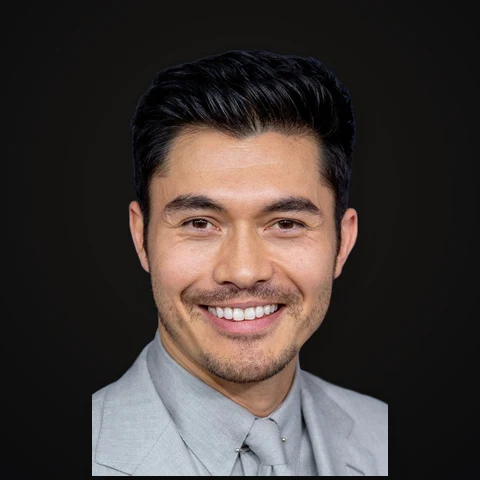
  • It is a standalone reboot with no continuity to the 2009 and 2013 films; Henry Golding replaced Ray Park as Snake Eyes.
  • The film unmasks Snake Eyes and lets him speak, a sharp break from the silent, masked icon that divided fans.
  • Larry Hama, who defined Snake Eyes in Marvel’s comic, publicly pushed back on the character’s reconception.
  • Action director Kenji Tanigaki was hired on the recommendation of John Wick’s Chad Stahelski.
  • Iko Uwais of The Raid plays the Hard Master, one of several real martial artists in the cast.
  • Filming took place in Vancouver and Japan, including Kishiwada Castle and the temple complex of Engyoji.
  • Production wrapped in February 2020, just before the pandemic halted filming worldwide; reshoots followed in March 2021.
  • COVID-19 pushed the release at least four times before it finally opened on July 23, 2021.
  • The Jewel of the Sun, a relic that can incinerate anything, is the film’s central MacGuffin.
  • Andrew Koji, of the series Warrior, plays Tommy and his turn into Storm Shadow.
  • The film opened in second place behind M. Night Shyamalan’s Old and fell 70 percent in its second weekend.
  • It grossed only 40.1 million dollars worldwide against a budget of at least 88 million, a box office bomb.
  • The ending recruits Snake Eyes into the Joes and Tommy into Cobra, setting up their lifelong rivalry.
  • Franchise revival later routed through Transformers, with a Paramount crossover film announced in 2024.
  • The dice that decide Snake Eyes’ fate are a rigged prop, charred and weighted to always roll snake eyes.
  • Henry Golding did his own stunts and paid for it, saying he blew out his hip and tore his quad and meniscus.
  • Engyoji Temple near Himeji, the ninja-training location, also doubled for feudal Japan in The Last Samurai.
  • The Jewel of the Sun is protected by a blood lock; Snake Eyes bypasses it using Tommy’s blood from their oath.
  • Hasbro spoiled the costume before any footage by having Golding unbox his own action figure live on camera.
  • The clan matriarch Sen fights with a bladed war fan, an easily missed weapon detail.
  • The home-media short Morning Light adds canon lore about the sword that appears nowhere else.
  • The Tokyo taxi tour stitches together Shibuya, Senso-ji and Zojo-ji into a route that is geographically impossible.
SEC-14

Frequently Asked

everything on file
Is there a post-credits scene?

No. Snake Eyes: G.I. Joe Origins has no post-credits or mid-credits scene. The sequel setup is inside the film, in the closing double recruitment that sends Snake Eyes to the G.I. Joe team and Tommy to Cobra as Storm Shadow.

How long is Snake Eyes: G.I. Joe Origins?

About two hours and one minute, rated PG-13 for strong violence and brief strong language.

Who directed it and who stars?

Robert Schwentke directed. Henry Golding leads as Snake Eyes, with Andrew Koji as Tommy / Storm Shadow, Ursula Corbero as the Baroness, Samara Weaving as Scarlett, Iko Uwais as the Hard Master, Peter Mensah as the Blind Master and Haruka Abe as Akiko.

Why does Snake Eyes talk and go unmasked?

By design. The film is pitched as an origin, the man before the legend and before Snake Eyes loses his voice. Henry Golding’s Snake Eyes speaks throughout and stays unmasked until the final scenes, the opposite of the silent, ever-masked comics icon, a choice that divided fans and drew public pushback from character architect Larry Hama.

Did it do well at the box office?

No. On a budget of at least 88 million dollars it opened to 13.4 million, fell 70 percent the next weekend, and finished with 28.3 million domestic and just 40.1 million worldwide, well short of a break-even point estimated near 160 to 175 million. It was a pandemic-era bomb.

How is it different from the comic-book Snake Eyes?

Almost entirely. In Larry Hama’s comics Snake Eyes is a white American Vietnam veteran, silent after a helicopter explosion destroys his face and voice. The film’s Snake Eyes is Asian, speaks throughout, is unmasked, is motivated by his father’s murder, and is reframed as a Cobra infiltrator. The Hard Master survives, and Akiko and the Jewel of the Sun are wholly invented.

Who scored the film?

Martin Todsharow, with Paramount Music releasing an unusually generous album on release day, more than forty tracks past eighty minutes, leaning on taiko percussion and Japanese textures. A complete-score edition followed for collectors.

Was there ever a sequel, and what happened to the franchise?

A direct sequel was announced then shelved after the film underperformed, and plans for a G.I. Joe cinematic universe built on the reboot were dropped. Franchise revival has since routed through Transformers, with a Transformers and G.I. Joe crossover film announced by Paramount at CinemaCon in 2024.

SEC-15

Where to Watch

to stream, buy or rent

Streams on Paramount+, or own the steelbook 4K.

Some links on this page are affiliate links that support gijoe.army. We may earn a commission on qualifying purchases at no extra cost to you.